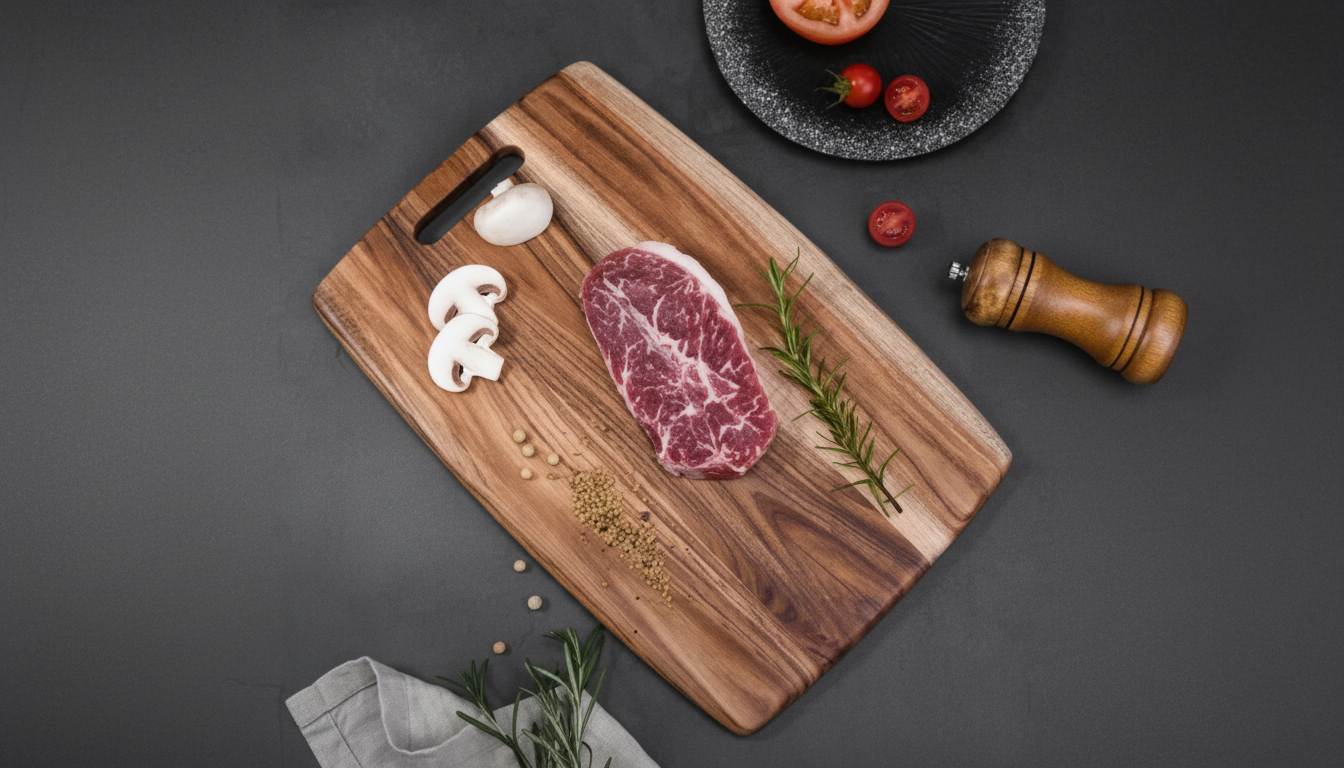
A good cutting board should feel stable under the knife, be gentle on edges, and clean up easily after everything from crusty bread to juicy steak. Solid acacia wood is a popular choice for its durability, rich grain, and naturally dense structure—making it a practical upgrade for daily food prep and serving. If your current board slides, stains, or looks worn fast, a solid wood surface can make prep feel calmer and more controlled.
Acacia is a dense hardwood that holds up well to the rhythm of everyday chopping, slicing, and carving. That density helps the surface resist deep knife marks compared with softer woods, so it can stay smoother-looking longer with basic care.
Beyond durability, acacia’s naturally eye-catching grain turns an everyday tool into a board you can confidently set on the table. Slice bread, arrange cheese, or serve steak strips right where you carved them—without needing to transfer food to another platter.
Solid wood construction also tends to feel more planted on the counter. That “sturdy under the knife” sensation matters when you’re rocking a chef’s knife through herbs or cutting a roast into even slices.
With routine oiling, the surface stays more conditioned and less likely to dry out. Oiling helps maintain a smoother feel, preserves the color, and supports better moisture resistance over time.
A rectangular cutting board is the quiet workhorse shape most kitchens reach for. Straight edges align neatly with countertops, and the footprint typically fits well beside a sink or stove for mise en place. It’s easy to rotate, slide, and reposition without “wasting” space.
This shape is especially helpful for long cuts—think baguettes, brisket slices, sheet-pan meal prep ingredients, or a row of vegetables lined up for quick chopping. You get an intuitive lane for cutting and a clean zone to park finished ingredients.
Storage is another win: a straightforward silhouette tucks into cabinets, stands against a backsplash, or looks intentional on open shelving. And the ample flat space supports rocking cuts with chef’s knives while helping keep ingredients corralled instead of scattering onto the counter.
Carving on a stable wood surface protects both your countertop and your dinnerware. Instead of slicing directly on plates (which can dull knives and scratch surfaces), a solid board gives you controlled cuts and an easy way to gather and serve what you’ve sliced.
Firm wood supports clean slicing, whether you’re cutting a sandwich loaf or a crusty baguette. Once sliced, the board doubles as a rustic presentation base for breakfast spreads or a bread-and-butter course.
For onions, herbs, citrus, and everyday produce, a solid board offers a reliable “tap” under the blade that feels steady without being hard on knife edges.
To reduce cross-contamination, it’s smart to keep separate boards (or at least separate sides) for raw proteins and ready-to-eat foods. For more guidance on safe cutting board practices and kitchen hygiene, reference the USDA’s recommendations at USDA Food Safety and Inspection Service and the CDC’s kitchen food safety tips.
| Material | Knife Feel | Maintenance | Typical Best Use |
|---|---|---|---|
| Acacia wood (solid) | Gentle, stable | Hand-wash + oil | Daily prep + serving |
| Plastic (HDPE) | Moderate | Dishwasher-safe (often) | Raw proteins, quick sanitation |
| Bamboo | Often harder feel | Hand-wash; oil | Light prep, budget-friendly sets |
| Glass/stone | Harsh on edges | Easy to wipe | Serving only (not ideal for chopping) |
If you want one board that can chop, slice, carve, and serve without feeling flimsy, this option is designed to cover the basics in a clean rectangular format: Solid Acacia Wood Cutting Board – Rectangular Chopping Block for Steak, Bread, and Food Prep. Pair it with consistent oiling and proper drying to help preserve the finish and keep the grain looking rich.
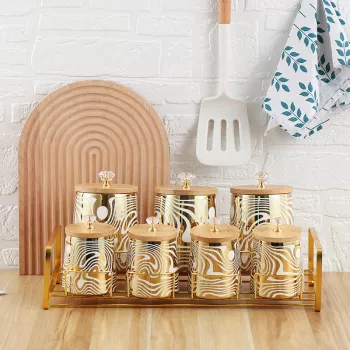
Keeping salt within reach makes prep smoother, especially when you’re seasoning in stages while you chop. A dedicated container can also help keep moisture and clumps at bay: Moisture-Proof Glass Seasoning Jar with Spoon – Kitchen Salt Container & Organizer.
After prep is done, a bright serving piece can make a simple meal feel more finished. For soups, stews, or plated sides, consider: Lemon Ceramic Soup Bowl.
Oil it more often when it’s new or if your kitchen is very dry—about once a week for the first month can help. After that, monthly is a common rhythm, or anytime the surface looks dull, feels rough, or seems to absorb water quickly. Use food-grade mineral oil and wipe off any excess after it soaks in.
Yes, as long as you handle it safely: cut raw meat, then wash the board promptly with hot, soapy water and dry it fully. Many cooks also keep a separate board (or dedicate one side) for raw proteins to reduce cross-contamination. Avoid soaking the board, which can encourage warping.
Warping and cracking usually come from moisture imbalance (one side stays wetter longer) or heat exposure. Hand-wash quickly, dry on edge so both sides air-dry evenly, and oil regularly to keep the wood conditioned. Dishwashers, soaking, and storing near high heat are common causes.









Leave a comment