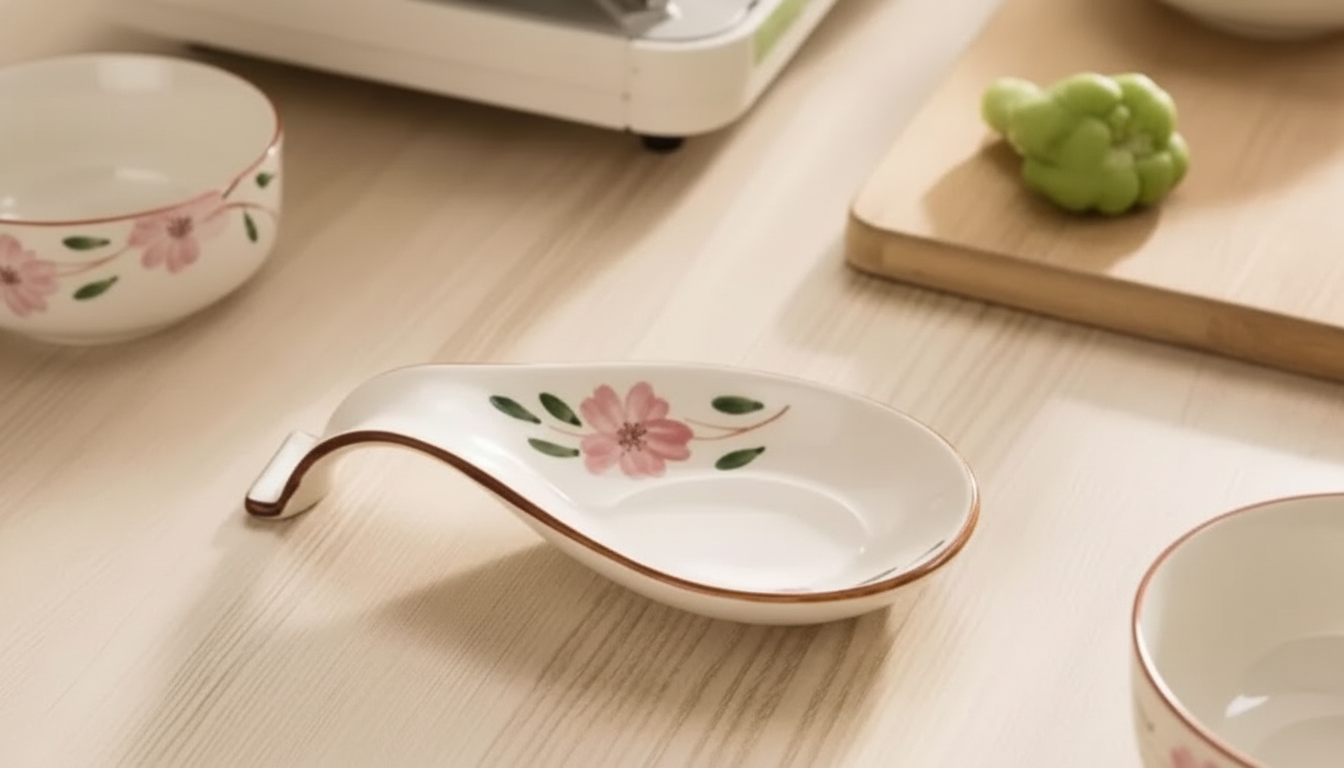
Japanese ceramics are commonly called “yakimono” (焼き物), a broad Japanese term that literally means “fired things” and covers pottery and ceramics of many types. In English, people often refer to Japanese ceramics by specific regional styles or techniques rather than a single universal name. You’ll also see “tōki” used for pottery/ceramic ware in general, and “jiki” used more specifically for porcelain.
In everyday use, “yakimono” is the most flexible catch-all term for Japanese ceramics. However, Japanese ceramic traditions are so diverse that the name often shifts depending on what you’re holding and where it comes from. For example, a tea bowl used in a tea ceremony may be described by its style (such as raku or shino), while a refined, white, high-fired piece might be described as porcelain (jiki), especially if it’s associated with famous porcelain-producing areas.
Many well-known Japanese ceramic types are identified by place names, which function almost like brand labels for craft traditions. A few widely recognized examples include:
If the goal is to name Japanese ceramics accurately, the most helpful approach is to identify the material (pottery vs. porcelain), then the style or region (the “-yaki” name). For more details and examples, visit https://recipegems.shop/what-are-japanese-ceramics-called/.
Pottery is typically made from clay fired at lower temperatures and often has a more earthy, opaque body, while porcelain is made from refined materials fired hotter, producing a whiter, denser, and sometimes translucent body. In Japanese terms, porcelain is often referred to as jiki, while pottery and ceramic ware more broadly may be called tōki or yakimono.









Leave a comment